Best Bike Seat Cover for Comfort: Gel vs Mesh Guide
What is the best bike seat cover for comfort?
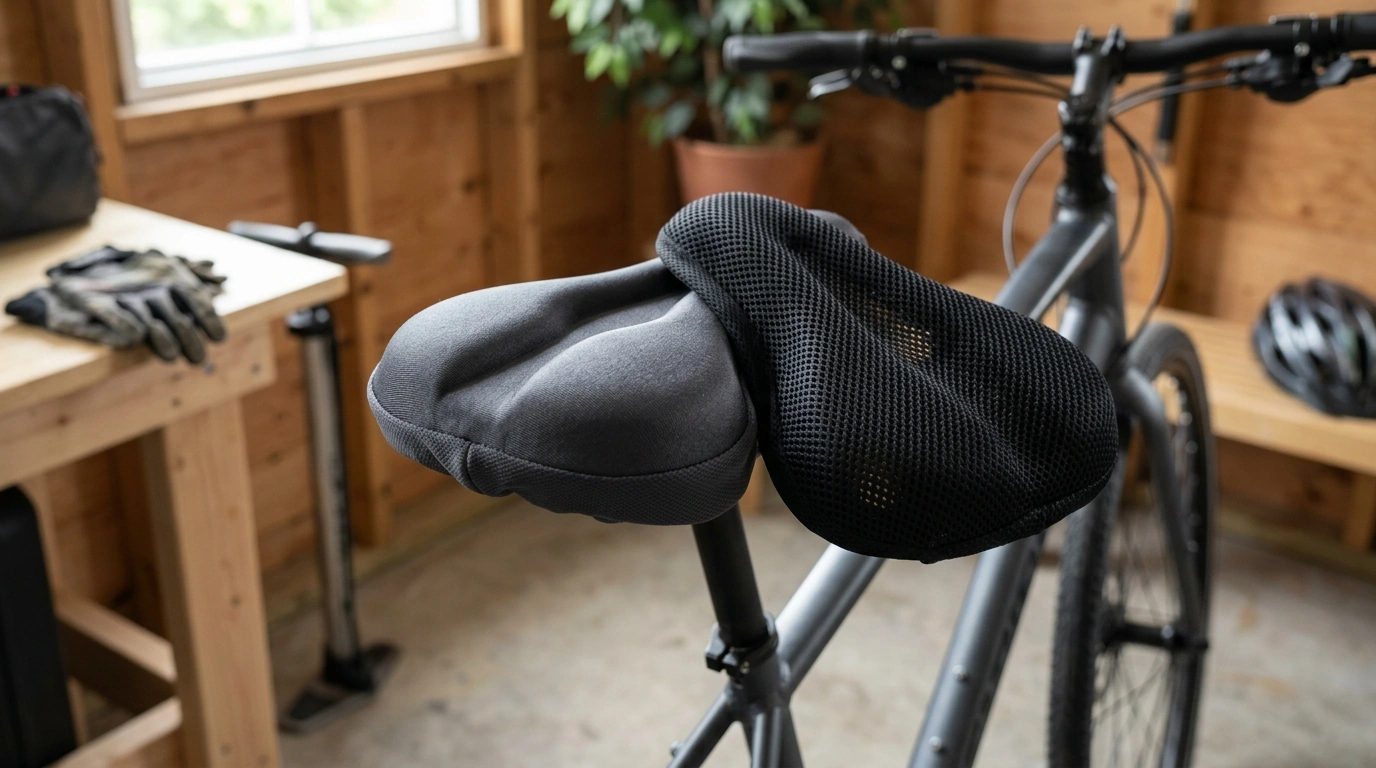
The best bike seat cover for comfort is the one that matches how and where you ride. For most riders, a quality gel seat cover with a non-slip base and a center relief channel offers the best balance of cushioning and pressure reduction. Gel spreads your weight across more surface area, which can help reduce hot spots on longer rides without feeling overly bulky.
If the priority is breathability and staying cool, a 3D air-mesh or ventilated foam cover can feel better than gel in warm weather. For bumpy commutes or fitness rides, look for a slightly thicker cover with stable, high-density padding that won’t compress flat quickly. For road cycling, a thinner, firmer cover often works best because it reduces friction and keeps pedaling efficient; too much padding can actually increase chafing.
Key features to look for
Secure fit: Choose a cover with strong drawcords or multiple straps plus a grippy underside so it doesn’t slide when you shift positions.
Pressure relief: A center cutout or channel can reduce pressure where it matters most, especially for longer sessions.
Weather resistance: A water-resistant top layer helps with unexpected drizzle, while a removable rain cover is a bonus for commuters.
Correct width: The cover should match the saddle’s width; an oversized cover bunches and rubs, while an undersized one won’t cushion the edges.
Quick pick by riding style
Casual/cruiser: Thicker gel or plush foam for maximum softness at lower speeds.
Commuting: Medium-thick gel or hybrid padding with durability and a stable fit.
Road/fitness: Thinner, firmer padding with a smooth top to minimize friction.
For specific recommendations and a deeper breakdown of materials, fit, and riding scenarios, see the main guide here: What is the best bike seat cover for comfort?
FAQ
Do bike seat covers help with numbness?
They can, especially covers with a center relief channel or cutout that reduces pressure. If numbness persists, saddle fit and bike positioning may need adjustment too.










Leave a comment