Baby-Safe Realistic Horse Plushies: Key Safety Checks
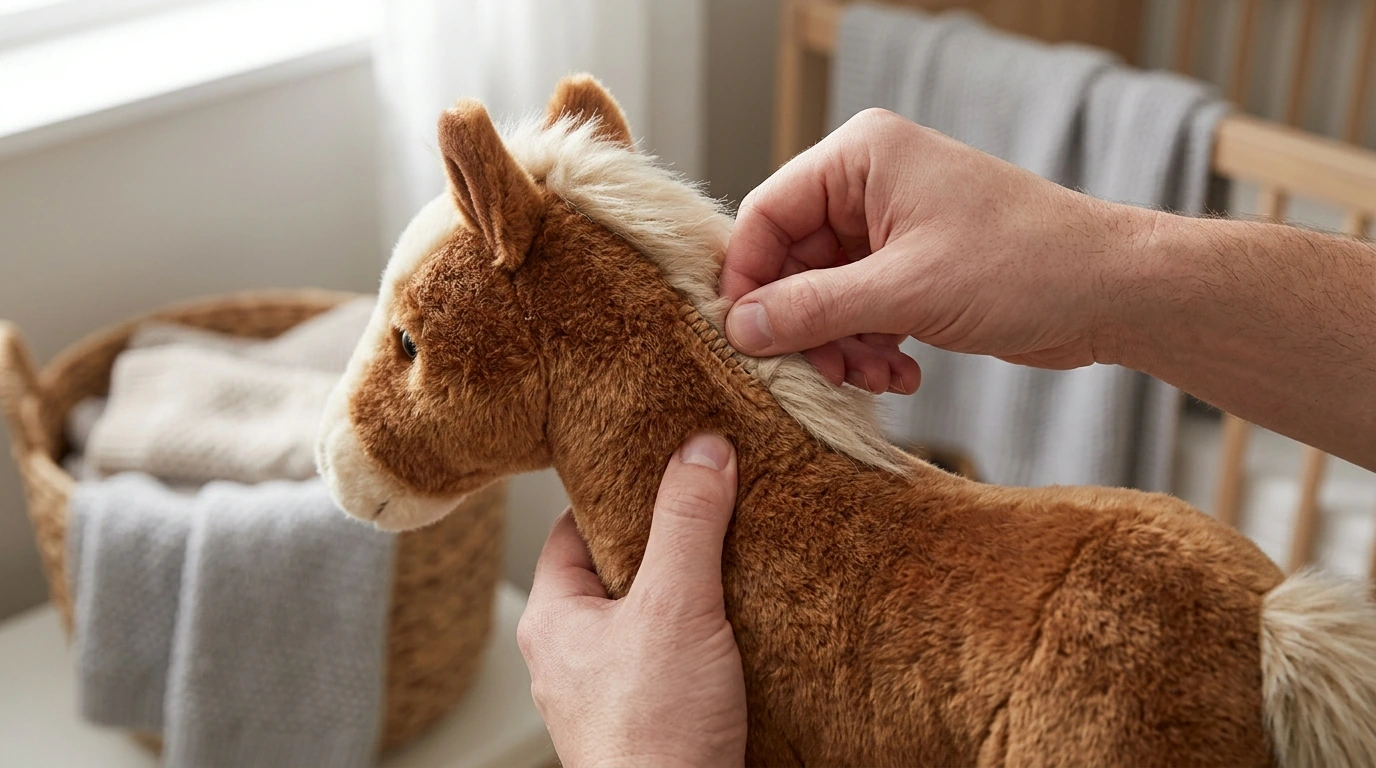
Are realistic horse plush toys safe for babies (and what safety features should they have)?
Realistic horse plush toys can be safe for babies, but only when they’re made and tested for infant use and don’t include parts that can break off or irritate sensitive skin. Before buying, confirm the toy is labeled for the baby’s age range and meets current U.S. safety standards, then do a quick “at-home safety check” for loose pieces, rough seams, or anything that could shed fibers.
What safety features matter most for baby-safe horse plushies?
Start with construction. A baby-safe plush should have tight stitching, reinforced seams, and no small add-ons (like hard plastic eyes, beads, bells, or buttons) that could become choking hazards. Embroidered eyes and details are typically the safer choice for infants.
Next, consider materials. Look for a soft outer fabric that doesn’t shed easily, plus filling that stays contained even with tugging. The plush should be free from harsh chemical odors, and the tag should indicate it’s made with non-toxic materials and dyes. If the horse has a mane or tail, pick one that’s securely attached and not overly long or stringy, which can pose tangling risks.
How to check a realistic plush horse before giving it to a baby
Give it a firm “tug test” on ears, legs, mane, tail, and any decorative pieces; nothing should loosen. Run your hand over seams to ensure they’re smooth and not scratchy. Avoid plush toys with long ribbons, straps, or accessories. Finally, choose a size that’s easy to handle—large enough not to be mistaken for a small object, but not so oversized that it could cover a baby’s face during sleep or rest.
Care and cleaning also affect safety
Babies mouth toys, so washability is a real safety feature. Prefer plush horses with clear cleaning instructions and materials that hold up to regular washing without clumping or tearing. For more tips on choosing and caring for a lifelike plush horse, see this realistic horse plush toy buying and care guide.
FAQ
How do you clean a realistic horse plush without damaging it?
Follow the tag instructions first; many plush horses do best with a gentle cycle in a mesh laundry bag and air-drying. If it has delicate details, spot-clean with mild soap and water, then dry thoroughly to prevent mildew.












Leave a comment